
Running a photography business in Austin means spending time on other people’s property — homes, ranches, offices, and event venues — with expensive camera gear in hand. That combination creates real financial exposure if something goes wrong, whether it’s a broken vase, a tripped cable, or a damaged listing photo that costs a client a sale. Liability insurance exists specifically to absorb that risk, and understanding how it works helps local photography businesses operate with confidence.
What General Liability Insurance Actually Covers
Commercial general liability (CGL) insurance protects a business against claims of bodily injury, property damage, and certain advertising-related claims, according to the Texas Department of Insurance. Within a CGL policy, premises and operations coverage pays for injuries or damage that happen on-site or as a result of normal business activity, while products and completed operations coverage applies to harm caused after the work is finished, such as a delivered product. For a photographer, that distinction matters: a client tripping over a light stand during a shoot falls under premises coverage, while a dispute over delivered digital files typically does not.
Most CGL policies also come in two structures worth understanding. Occurrence policies cover incidents that happen while the policy is active, no matter when the claim is filed later. Claims-made policies only cover incidents that are both active and reported to the insurer within the same policy period, which can leave gaps if a photographer switches insurers or lets coverage lapse. Knowing which structure a policy uses affects how much protection remains after a policy ends.
Why Photographers Face Unique Liability Risks
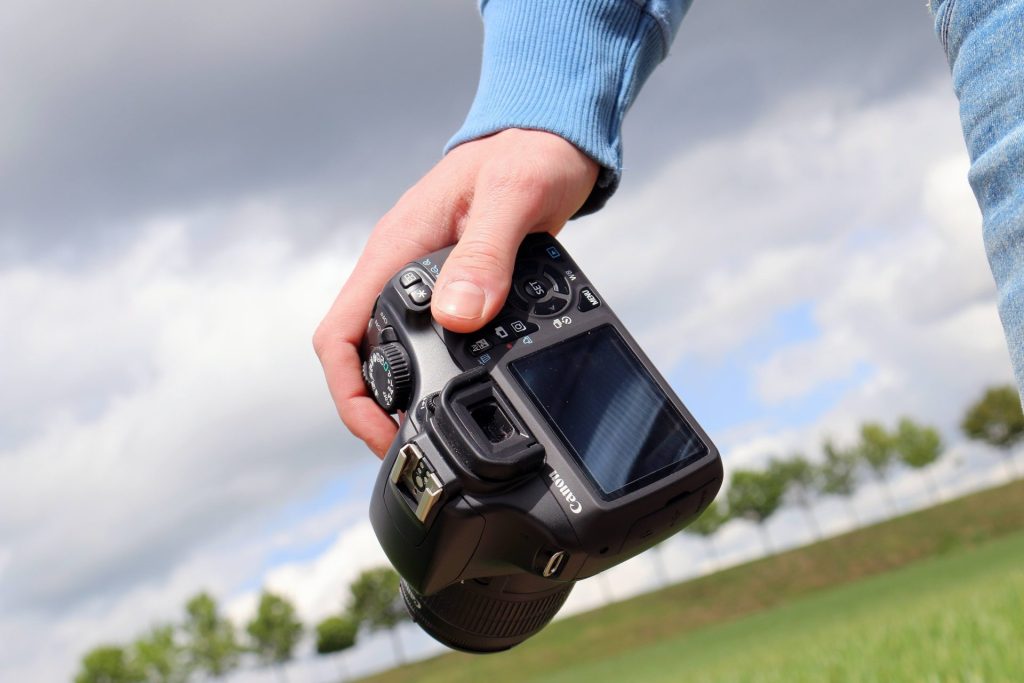
Photography businesses carry a different risk profile than many other small businesses because the work happens on someone else’s property, not a fixed storefront. Real estate and architectural shoots often involve staged furniture, fragile decor, or active construction sites where equipment can cause accidental damage. Ranch and land photography adds exposure to livestock, gates, and uneven terrain, while event and lifestyle sessions bring photographers into crowded spaces with limited control over the environment.
Many property managers, real estate brokerages, and venues in Austin now require photographers to provide a certificate of insurance (COI) before granting access, a document that verifies active coverage and its limits. Without proof of coverage, a photographer may be turned away from a shoot entirely, regardless of skill or experience. This makes liability insurance less of an optional expense and more of a basic requirement for working consistently in the local real estate and events market.
Aerial Photography Adds a Regulatory Layer
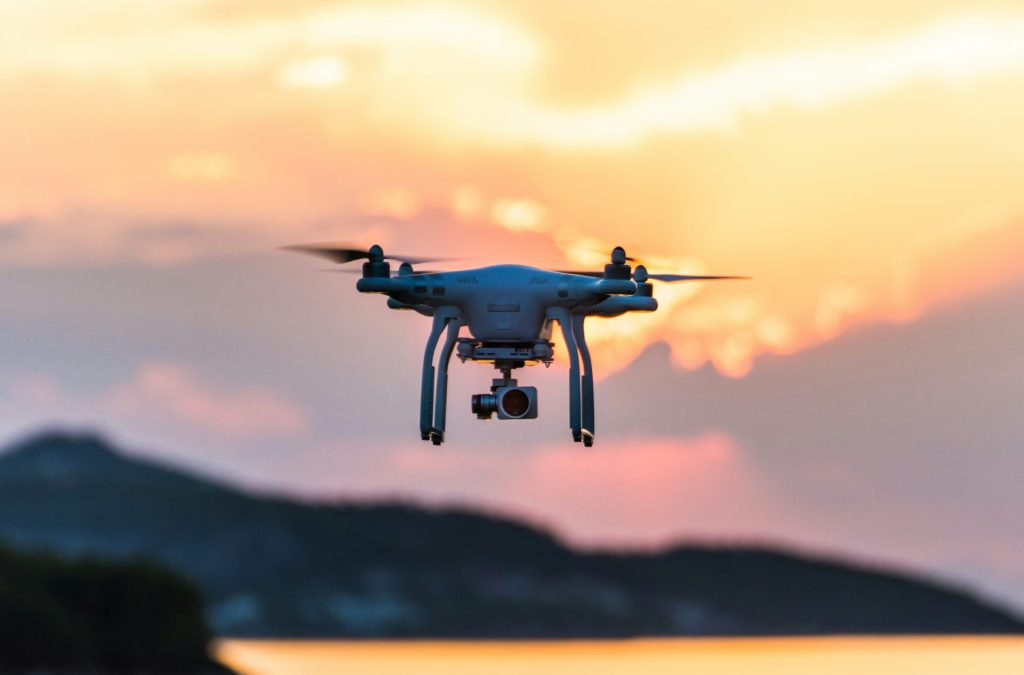
Aerial and drone photography, increasingly common in real estate marketing, introduces additional rules beyond standard liability concerns. The Federal Aviation Administration requires commercial drone operators to fly under Part 107 guidelines, which include earning a Remote Pilot Certificate and registering the aircraft. Part 107 itself does not mandate liability insurance, but a drone malfunction that damages property or injures a bystander can create liability exposure well beyond a typical ground-based shoot.
Because of this, photographers offering aerial services often need liability coverage that specifically accounts for drone operations, since a standard CGL policy may not automatically extend to aircraft-related incidents. Clients hiring aerial photography for large commercial properties or ranch listings benefit from knowing their photographer carries coverage suited to that added risk.
Choosing Coverage That Fits the Work
Selecting the right policy comes down to matching coverage to the actual services offered. A photographer doing primarily indoor real estate and headshot work has a different risk profile than one regularly flying drones over ranch land or shooting large commercial properties. It’s also worth knowing that standard CGL policies generally exclude professional errors and similar claims, so a photographer worried about disputes over missed shots or delivery delays may need separate professional liability coverage alongside general liability.
Liability coverage also stops short of protecting a photographer’s own tools. Cameras, lenses, and drones represent a significant investment, and a standalone liability policy typically will not reimburse a photographer for damaged or stolen gear. Equipment coverage, often bundled into a broader business owner’s policy, fills that gap by paying for repair or replacement costs when a camera is dropped on location, stolen from a vehicle, or damaged during an outdoor ranch shoot. Bundling equipment coverage with general liability often costs less than buying each separately.
For photographers regularly working on high-value commercial properties or large events, umbrella or excess liability insurance can extend protection beyond a standard CGL policy’s limits, an option worth raising with an agent whenever the potential cost of a claim could exceed a base policy’s payout. Talking through these options with an agent, rather than assuming a single policy covers everything, is the clearest way to close gaps before they become expensive surprises.
Working With a Photographer Who Takes This Seriously
For clients across Austin planning a real estate listing, ranch sale, commercial project, or lifestyle session, working with a photographer who understands liability coverage isn’t just a technical detail — it’s a sign of professionalism. We’re JPM Real Estate Photography, and we work across real estate, architectural, aerial, commercial, and ranch & land photography throughout the Austin area, along with realtor headshots, videography, virtual sta`1ging, and Matterport 3D tours, all handled with the same attention to protecting your property and the final result. If you’re planning a shoot and want to work with a team that takes these details seriously, reach out to discuss your project.